Economic Sustainability and the Growing Importance of Skill-Based Learning
Economic sustainability has become a major policy and development challenge as economies throughout the world adjust to changing worker needs and technology advancements. Effective resource management and a trained labour force that can adapt to changing market demands are both necessary for sustainable economic growth.

This goal now revolves around skill-based education. Skill-based education promotes long-term economic stability and improves employability by emphasising applied learning and practical abilities. Graduates who possess the necessary skills are more likely to make valuable contributions to the economy.
Despite their value, traditional educational models frequently find it difficult to meet the demands of the business world. By placing a strong emphasis on practical experience, professional training, and exposure to real-world work contexts, skill-based learning fills this gap. This strategy aids in lowering underemployment and unemployment, two major obstacles to long-term economic viability.

Innovation and entrepreneurship are intimately related to economic sustainability. Skilled people are more likely to start businesses, come up with fresh ideas, and adjust to changes in the economy. Thus, educational programs that promote real-world problem-solving and industry involvement are crucial for workforce development.
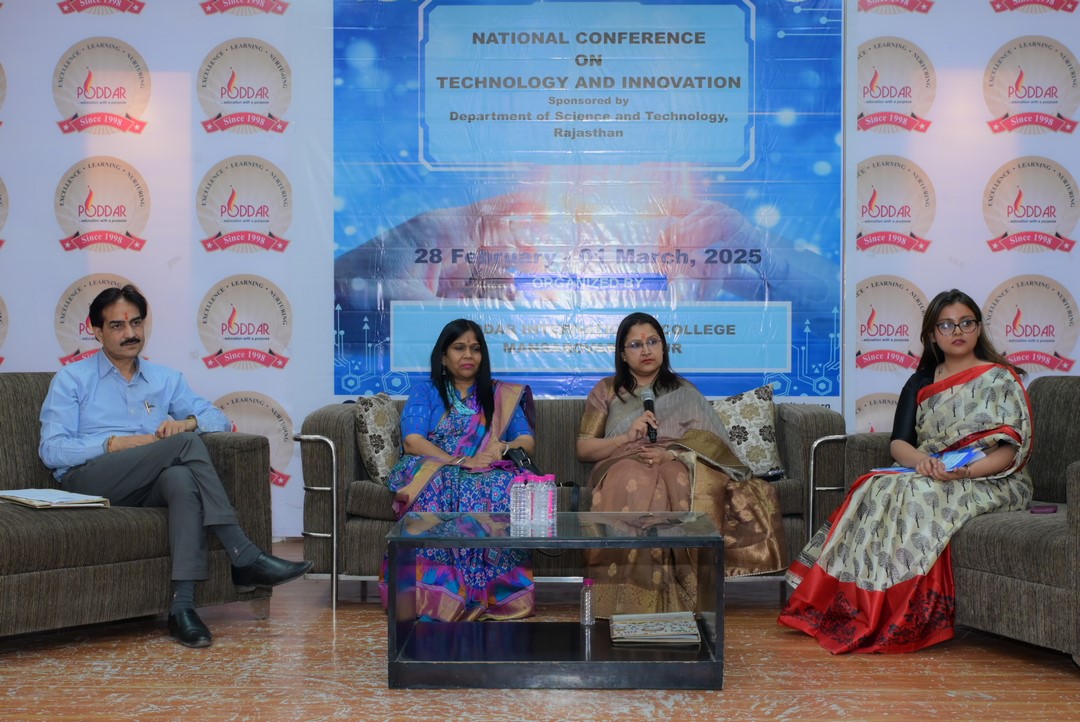
Institutions like Poddar International College emphasize hands-on learning approaches that equip students for long-term jobs. Students get an understanding of professional standards and economic realities through training programs, project-based learning, and industry engagement. Skill-based education fosters flexibility, self-assurance, and critical thinking in addition to technical proficiency. These attributes help people manage changes in their careers and eventually lead to economic resilience.
It is crucial to match education with labour demands as India and the world economy strive for sustainable growth. By training people who are competent, flexible, and prepared to contribute to long-term growth, skill-based learning provides a realistic route towards economic sustainability.

Comments
Post a Comment