Navigating the Metaverse: A Deep Dive into the Next Frontier of Digital Reality
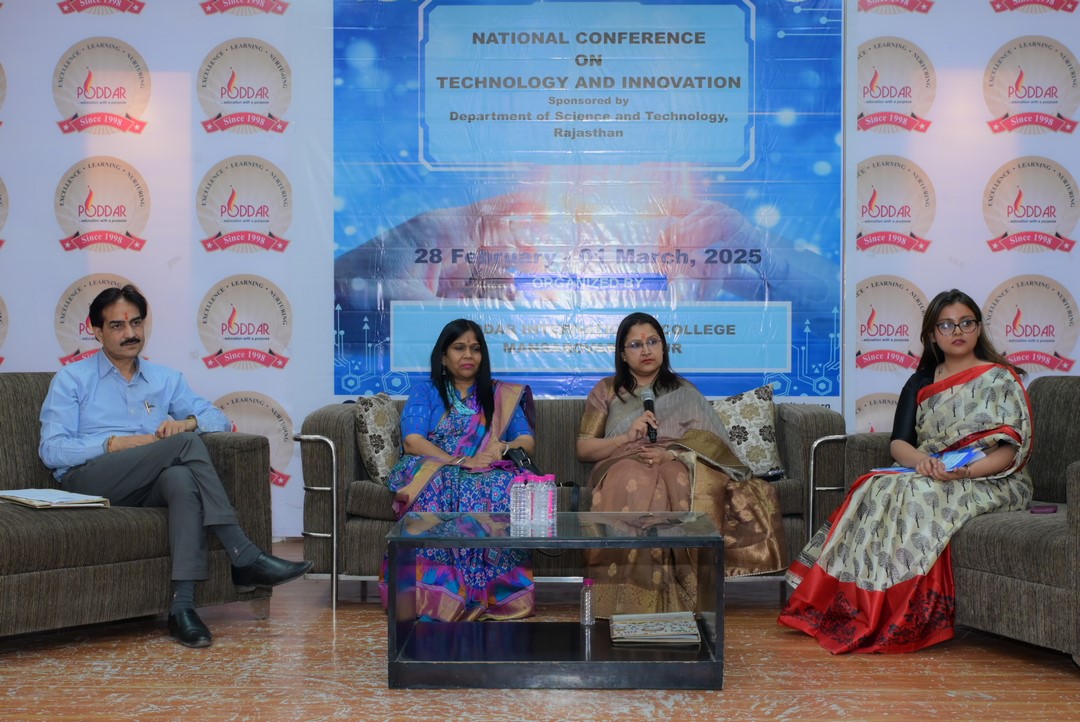
The Metaverse, once a concept of science fiction, is now becoming a reality as technology advances rapidly. This article summarizes a classroom discussion at Poddar International College, one of the top 5 BCA colleges in Jaipur. It examines the origins, current state, and future potential of the Metaverse, highlighting its implications for society, the economy, and human interaction.

Understanding the Metaverse
The term "Metaverse" was coined by Neal Stephenson in his 1992 science fiction novel, "Snow Crash." It refers to a collective virtual shared space, typically created by the convergence of physical and virtual reality. You will learn during a BCA course in Jaipur that the Metaverse is a digital universe where users can interact with each other and the environment in real-time. Unlike traditional virtual reality (VR) experiences, the Metaverse transcends individual applications and platforms, providing a seamless and interconnected digital experience.
Key Components of the Metaverse
Here are some of the key components of the metaverse that are essential to know:
1. Virtual Reality (VR) and Augmented Reality (AR):
At the core of the Metaverse are immersive technologies like VR and AR. VR creates fully immersive digital environments, while AR overlays digital information onto the real world. These technologies enable users to engage with the Metaverse in a more profound and interactive way.
2. Blockchain and Cryptocurrencies:
Top IT colleges in Jaipur and India discuss with students how blockchain technology plays a crucial role in the Metaverse by ensuring secure and transparent transactions. Cryptocurrencies, particularly non-fungible tokens (NFTs), are used for ownership and authentication of digital assets within the Metaverse. This decentralized approach adds a layer of trust and authenticity to the virtual space.
3. Artificial Intelligence (AI) and Machine Learning:
AI and machine learning algorithms contribute to the intelligence and responsiveness of the Metaverse. These technologies enable realistic simulations, personalized experiences, and dynamic interactions within the digital environment.
4. Social Interaction Platforms:
Socializing is a fundamental aspect of the Metaverse. Various platforms aim to replicate real-world social interactions, allowing users to communicate, collaborate, and build communities. These platforms often incorporate avatars, allowing users to represent themselves in the digital space.

Current State of the Metaverse
As of 2024, the Metaverse is in its early stages but is gaining rapid momentum. Several companies are actively investing in and developing technologies to shape the future of this digital realm. Notable examples include:
1. Facebook (Meta):
Meta, formerly known as Facebook, has positioned itself as a major player in the Metaverse space. Several students from top-ranked MCA colleges in Jaipur aspire to work here. The company envisions a future where people can seamlessly move between the physical and virtual worlds. Meta's ambitious plans include the development of a shared virtual space where users can work, socialize, and explore.
2. Decentraland:
Decentraland is a blockchain-based virtual world where users can buy, sell, and build on virtual land. It operates on the Ethereum blockchain, utilizing smart contracts to govern ownership and transactions. Decentraland exemplifies the decentralized nature of the Metaverse, allowing users to have true ownership of digital assets.
3. Roblox:
Roblox, a popular online game platform, has evolved into a social space with user-generated content. It allows users to create their games, experiences, and virtual items, fostering creativity and collaboration. Roblox's success highlights the appeal of user-generated content within the Metaverse.
4. Epic Games (Fortnite):
Epic Games, the developer of Fortnite, has transformed its hit game into a social space within the Metaverse. Fortnite hosts virtual events, concerts, and collaborations with various brands, creating a dynamic and engaging digital environment. The crossover between gaming and social interaction exemplifies the evolving nature of the Metaverse.
Implications for Society and Economy
The advent of the Metaverse brings about significant implications for both society and the economy:
1. Remote Work and Collaboration
The Metaverse has the potential to revolutionize the way we work. Virtual offices and collaborative spaces within the Metaverse could enable remote teams to work together seamlessly, breaking down geographical barriers and fostering a new era of global collaboration.
2. Economic Opportunities
The Metaverse presents vast economic opportunities, particularly in the creation and trade of digital assets. Virtual real estate, digital art, and virtual goods have already become lucrative markets within the Metaverse. At Poddar Group of Institutions, the best MCA college in Jaipur, students learn how they can thrive as entrepreneurs, artists, and developers by contributing to the evolving digital economy.
3. Education and Training
The Metaverse offers innovative possibilities for education and training. Immersive simulations and virtual classrooms can provide a more engaging and effective learning experience. From medical training to professional development, the Metaverse has the potential to redefine education.
4. Social Interaction and Entertainment
As social interactions increasingly move to the digital realm, the Metaverse becomes a hub for socializing, entertainment, and cultural experiences. Virtual concerts, events, and gatherings allow people to connect in ways that transcend physical boundaries.

Challenges and Concerns
While the Metaverse holds immense promise, it also raises several challenges and concerns that need to be addressed:
1. Privacy and Security
The collection and utilization of personal data within the Metaverse raises concerns about privacy and security. As users immerse themselves in digital environments, safeguarding their personal information becomes paramount.
2. Digital Inequality
Access to the Metaverse requires reliable internet connectivity and advanced technology. This raises concerns about digital inequality, as not everyone may have equal access to the opportunities and experiences within the digital realm.
3. Content Moderation
As the Metaverse becomes a space for social interaction, content moderation becomes a crucial issue. Ensuring a safe and inclusive environment within the digital space requires robust mechanisms to address harassment, hate speech, and other harmful behaviors.
4. Ethical Considerations
The creation and use of AI-driven avatars and experiences in the Metaverse raise ethical questions. Issues such as identity theft, manipulation, and the potential for addiction need careful consideration.

The Future of the Metaverse
The future of the Metaverse is both exciting and challenging. As technology continues to advance, the following trends are likely to shape the evolution of the Metaverse:
1. Interoperability
The future Metaverse is expected to be more interconnected, allowing seamless movement of assets and avatars across different platforms. Interoperability will enhance the user experience and promote a more open and collaborative digital environment.
2. Decentralization
The decentralized nature of blockchain technology is likely to play an even more significant role in the Metaverse. Decentralized platforms and economies can empower users with true ownership of digital assets, reducing the influence of central authorities.
3. AI-driven Experiences
Advances in AI and machine learning will contribute to more realistic and dynamic experiences within the Metaverse. AI-driven avatars, personalized content, and responsive environments will enhance immersion and engagement.
4. Expanded Use Cases
The Metaverse will extend its influence across various industries, including healthcare, retail, and manufacturing. Virtual simulations, training programs, and immersive shopping experiences are just a few examples of how the Metaverse can revolutionize different sectors.
Conclusion
The Metaverse marks a significant shift in our interaction with digital reality. Though still in its early stages, its potential to transform society and the economy is undeniable. As we explore this new frontier, it is essential to address challenges and promote ethical standards while fostering inclusivity. The Metaverse is a cultural phenomenon that will shape the future of our interconnected digital world.
To build a successful career in cutting-edge technologies like the Metaverse, pursuing an undergraduate or postgraduate degree is key.
Poddar International College, one of Jaipur's top MCA colleges, offers BCA and MCA programs that provide the knowledge, skills, and practical experience needed to excel in the tech industry.
Comments
Post a Comment